Featured
Table of Contents
The Shift Towards Decoupled Digital Architecture in 2026
Digital strategy in 2026 has moved past the era of all-in-one software application suites. For several years, businesses count on monolithic systems where the material management backend and the visual frontend were permanently joined. This structure often led to slow load times and minimal flexibility. Today, the move toward headless architecture has actually ended up being the standard for companies that need to push material to multiple platforms at the same time. By separating the information from the display screen, business can now send out details to smart watches, AI assistants, and standard web browsers from a single source without jeopardizing performance.
The urgency for this change is driven by the rise of Generative Engine Optimization (GEO) Browse engines no longer simply supply links-- they offer direct answers generated by AI. To be noticeable in these outcomes, data need to be structured in a method that AI spiders can quickly parse. A headless setup enables this level of precision, ensuring that a company located in Denver can keep high visibility throughout a range of search surface areas. Steve Morris, CEO of NEWMEDIA.COM, has actually kept in mind in a number of industry journals that the capability to present clean, structured information is now the primary element in digital competitors. His firm, which operates from major centers like Denver, Chicago, and NYC, has actually focused on this shift through their RankOS platform, which helps businesses preserve search presence in an AI-dominated environment.
Strategic Advantages for Healthcare Web Design That Builds Trust in 2026
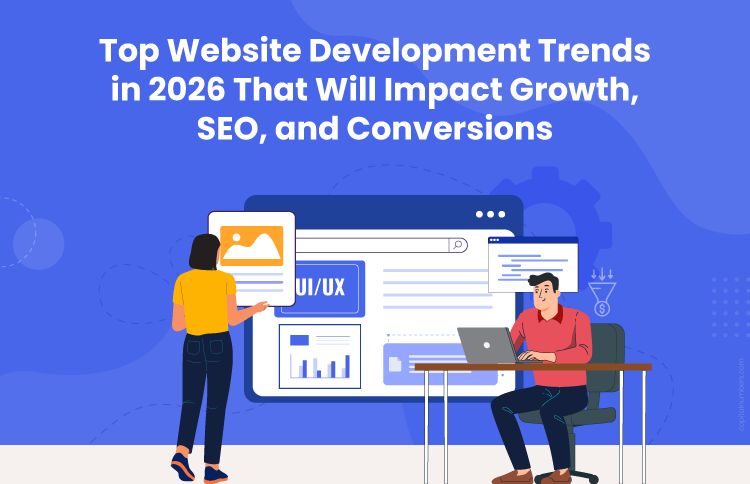
Performance is no longer a high-end. In 2026, a delay of even a couple of milliseconds can lead to a significant drop in user retention. Headless systems enhance speed by getting rid of the heavy processing usually required by standard CMS design templates. Instead of the server constructing a whole page whenever a user clicks a link, the system only sends the needed information via an API. This makes Healthcare Web Design That Builds Trust far more efficient, as designers can use modern frameworks like Next.js or newer 2026 equivalents to develop quick, reactive user interfaces.
Numerous groups concentrating on Healthcare Web Design That Builds Trust now prioritize Healthcare Design to ensure their websites load in under 200 milliseconds. This level of speed is especially crucial for mobile users in Denver, where connectivity can differ but expectations for immediate access stay high. When the frontend is decoupled, it can be hosted on edge networks, bringing the content physically better to the user. This decreases latency and offers a much smoother interaction than the server-heavy models of the previous years.
Adjusting to Local Markets Throughout CO
The regional needs in CO or the surrounding area typically require rapid updates to rates, inventory, or service information. In a monolithic system, making a small change to a product listing may require a complete release of the website code. With a headless architecture, material groups can upgrade the backend and see those changes reflected quickly across every linked gadget. This dexterity allows companies in Denver to respond to market shifts in real-time without needing a developer to by hand adjust the frontend code for every small update.
Professional Healthcare Web Design Services has become necessary for modern services that wish to maintain a constant brand name voice across fragmented digital channels. Whether a consumer is interacting through a voice-activated home gadget or a high-end desktop browser, the core information remains the exact same. This consistency is a hallmark of the technique employed at companies with a nationwide existence, such as those with offices in Nashville, Dallas, and Atlanta. By centralizing material, these companies make sure that the message delivered in Miami is similar to the one seen in LA, despite the gadget used.
AI Browse Exposure and the Function of RankOS
As online search engine transition into answer engines, the method content is indexed has undergone an overall overhaul. The RankOS platform was developed to address this particular challenge. By focusing on AI search exposure, the platform guarantees that the underlying information of a website is optimized for generative designs. Steve Morris has actually emphasized that 2026 is the year where "meaning" outpaces "keywords." Headless systems support this by permitting for deep metadata tagging that conventional systems frequently struggle to deal with. This makes it simpler for AI to comprehend the context of the services used in CO or the United States.
When material is saved in a headless CMS, it exists as raw information-- titles, descriptions, images, and costs-- unburdened by HTML styling. This raw state is precisely what AI models choose. It permits them to pull specific realities for a user's inquiry without having to filter out the "sound" of a site's style. Companies significantly depend on Web Design for Healthcare to stay competitive as these AI designs end up being the main method individuals find local services. If the data is caught inside a stiff design template, it risks being ignored by the spiders that power 2026 search experiences.
Future-Proofing Through API-First Design
Developing a website in 2026 is no longer about creating a static location. It has to do with developing an information source that can live anywhere. The API-first design of headless architecture guarantees that as brand-new technologies emerge, the backend does not need to be restored. If a brand-new type of wearable gadget or immersive user interface becomes popular next year, a service in Denver can merely develop a new frontend to link to their existing API. This avoids the pricey cycle of full-site redesigns that pestered the market in previous years.
The technical groups at firms in Miami and NYC are seeing a pattern where business are moving far from proprietary software application that locks them into a particular vendor. Headless architecture promotes an "unbundled" technique. A business can utilize one service for its material, another for its ecommerce checkout, and a third for its AI search optimization. This modularity means that if one part of the tech stack ends up being obsolete, it can be changed without tearing down the entire infrastructure. It is a more durable method to develop a digital presence that can stand up to the quick speed of change in the tech sector.
The Bottom Line for Organizations in Denver
The decision to move to a headless system is often driven by a requirement for better security. Due to the fact that the frontend is separated from the database, the "attack surface" is substantially reduced. Traditional websites typically have vulnerabilities in their plugins or styles that can lead to information breaches. In a headless environment, the backend is concealed behind an API, making it much harder for harmful actors to get. This is a crucial factor to consider for firms running in extremely regulated industries throughout CO.
Investing in this modern infrastructure has to do with more than just staying current. It is about efficiency and reach. By embracing these approaches, companies can decrease their long-lasting upkeep expenses while enhancing their capability to reach consumers on any gadget. The competence needed to handle these systems has actually become more available, with firms supplying the specialized understanding required to bridge the space between intricate backend information and user-friendly frontends. As 2026 continues to press the borders of what is possible with AI and web performance, the headless approach stays the most effective method to make sure a digital existence is both fast and flexible enough to survive the next wave of technological progress.
Whether a company is searching for Healthcare Web Design That Builds Trust or just wishes to improve its standing in AI search results page, the relocation far from monolithic platforms is the most sensible action. The success seen in markets from Denver to Dallas suggests that the future of the web is decoupled, data-centric, and developed for speed.

Latest Posts
Securing Detroit Enterprises With a Cybersecurity-First Frame of mind
Protecting Digital Facilities Versus Next-Generation Threats
The Future of Decoupled Material Management Systems